Small piece breads

This product category defines single-serving loaves that are smaller than standard loaves and are typically intended for a single person.

There is a wide variety available, from:
Baked as separate pieces rather than sliced ​​from a large loaf.

Up to various shapes: round, oval, elongated, twisted, diamond-shaped, etc.

In some countries, bagels are considered a good breakfast food. Its size and shape are suitable for sandwiches and ready meals.

The rolls can be crispy, thanks to a long fermentation of the dough, or soft and rich in butter, fat, margarine and/or sugar.

Typical styles:

French style:
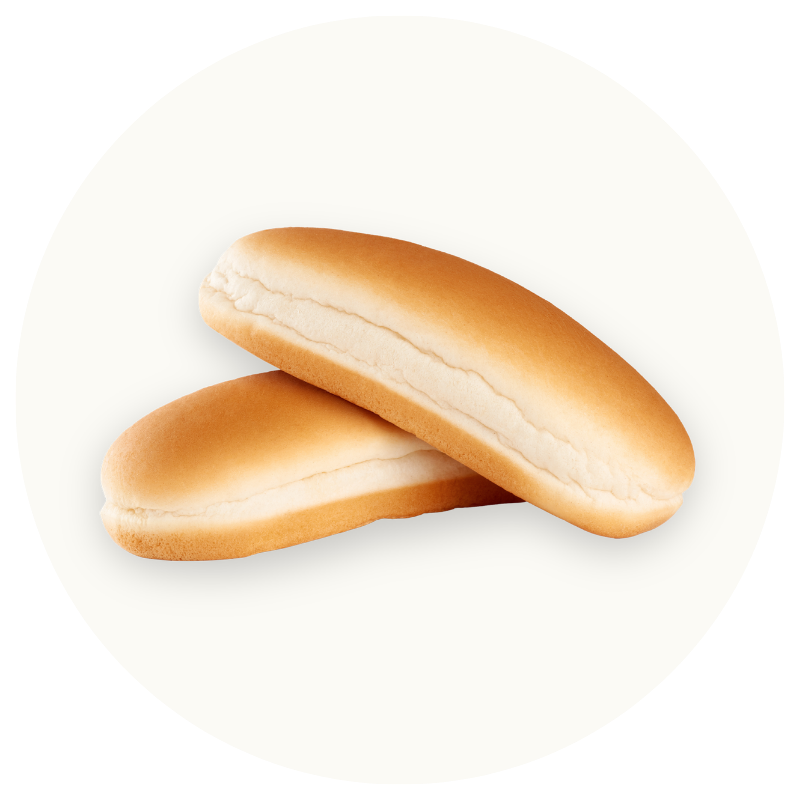
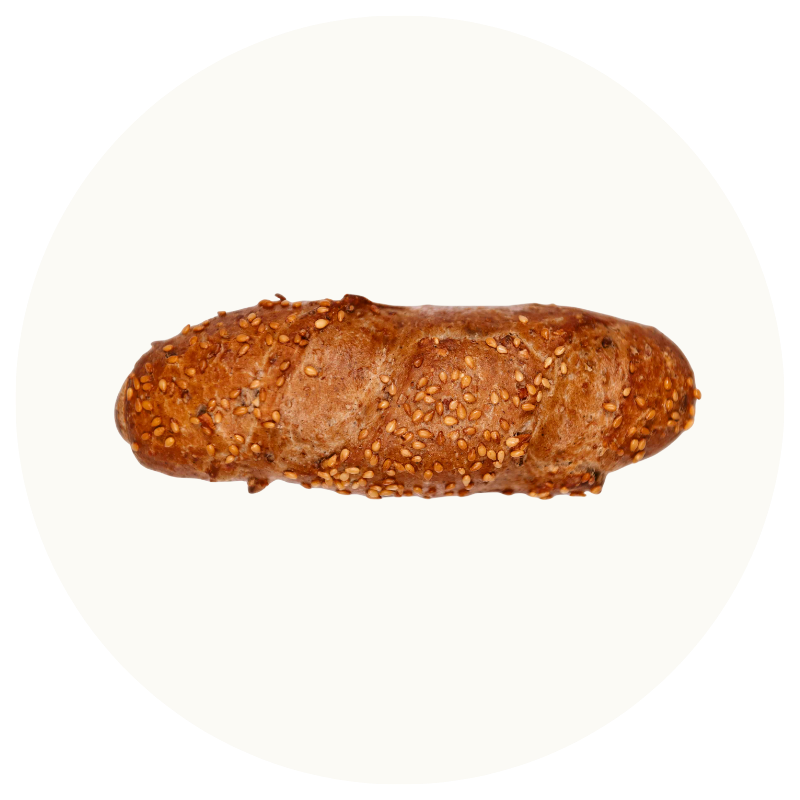
  • Half baguette: medium-sized baguette, with the same crispy crust and fluffy crumb.
  • Petit pain or Panecillos: small, crusty individual rolls.
  • Bastard (mini): shorter and slightly wider than a baguette.
 
Soft rolls:
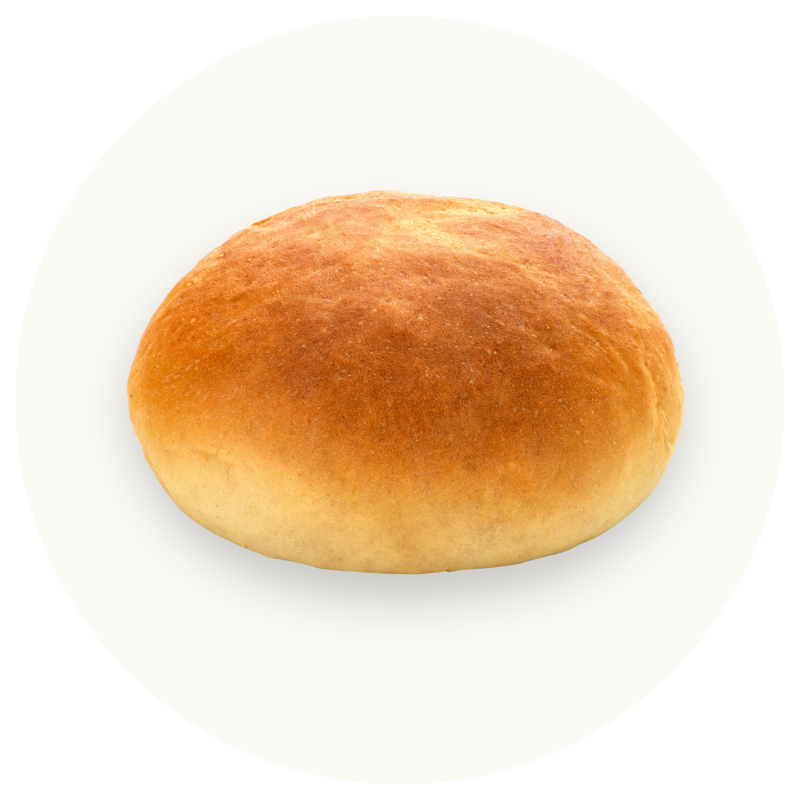
  • Dinner Rolls: soft, fluffy and often slightly sweet.
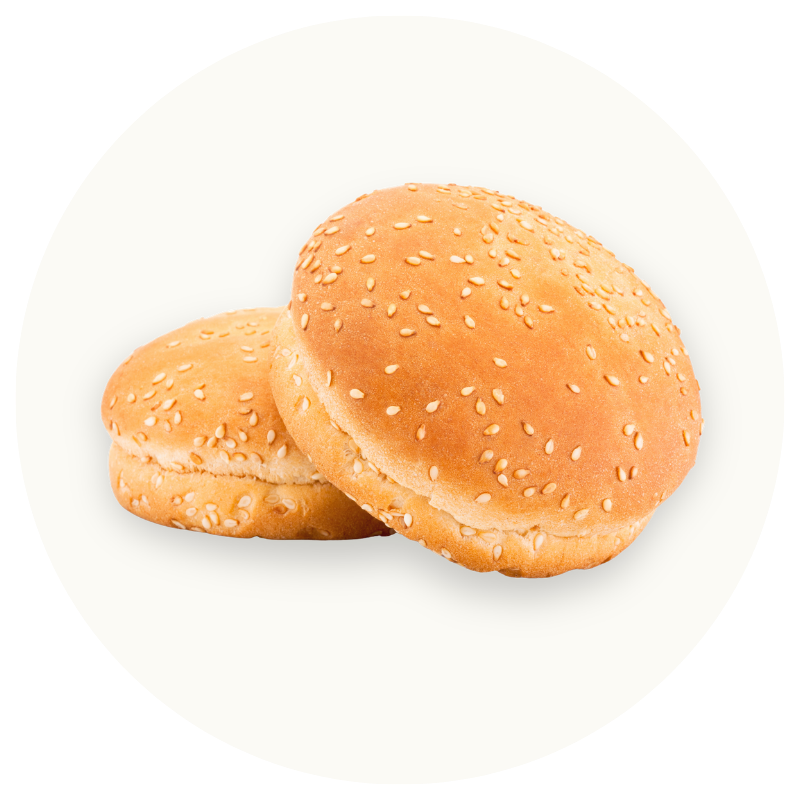
  • Brioche buns: rich, buttery and slightly sweet.
  • Milk buns: very soft and tender crumb.
Rustic/artisan rolls
  • Ciabatta rolls: light, with open crumb and crispy crust.
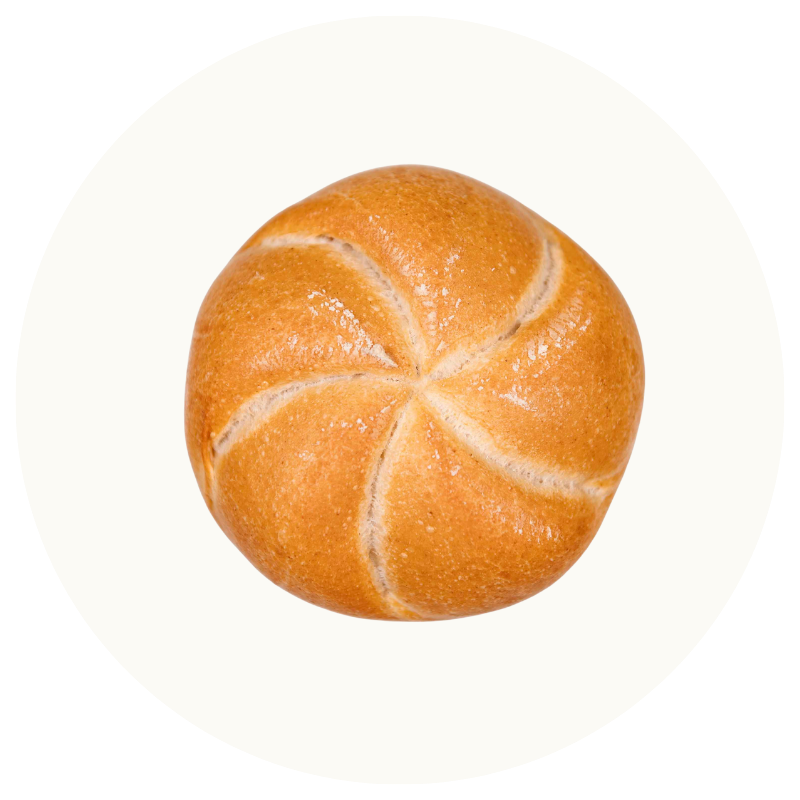
  • Kaiser rolls: round with a star-shaped top, slightly crispy.
  • Roll: crispy mexican roll, similar to a mini baguette.


European varieties:
  • Pretzel buns: chewy rind, dark brown exterior.
  • Bread roll: german crispy rolls for breakfast.
  • Panecillos panini: small italian breads for sandwiches.

Manufacturing process

The direct dough method is the most common. Crispy rolls such as ciabatta or petit pain are usually made from long-fermented doughs or through a sponge and dough process.

Block fermentation after kneading is common, since the highest quality rolls do not contain a high percentage of yeast.

Dough temperature is important to develop and mature the dough matrix and thus improve its machinability, tender crumb structure, good flavor and aroma, and shelf life.

Mass fermentation time is usually between 30 and 90 minutes, depending on the product group. Some soft bars are doughs without time to guarantee a very fine crumb.

Division

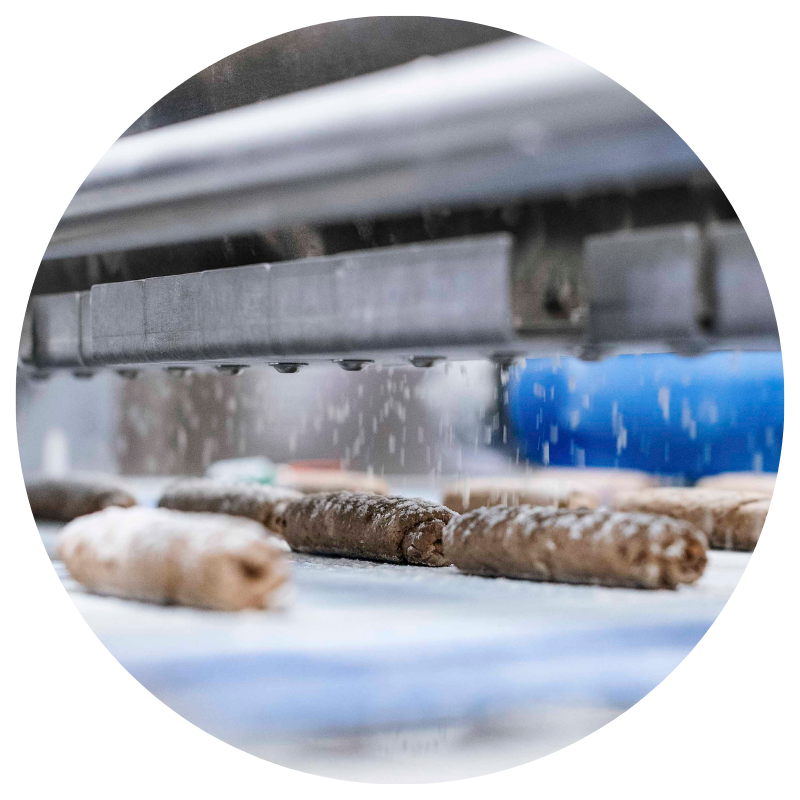
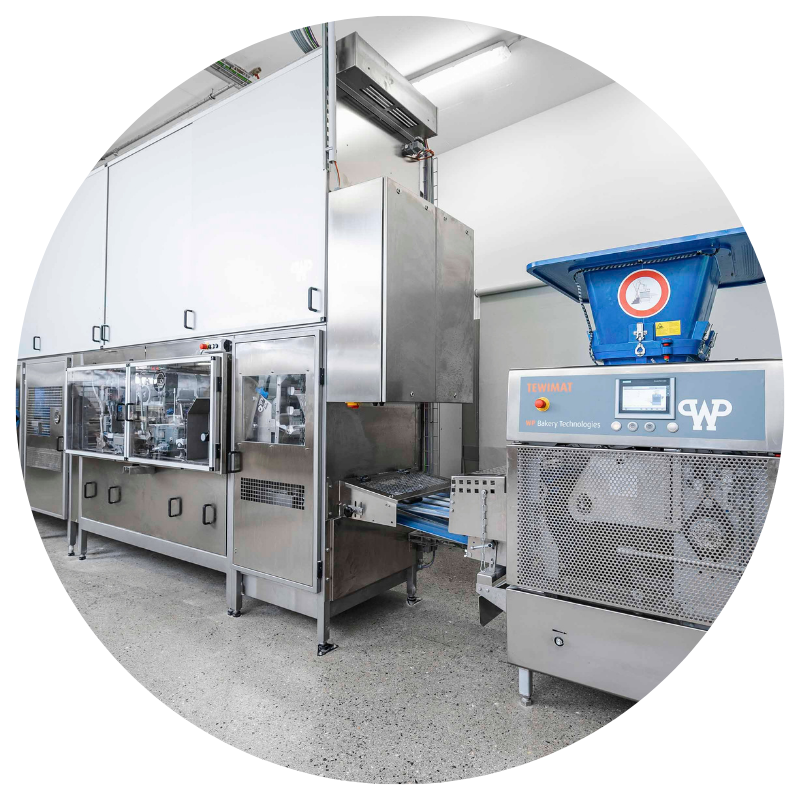
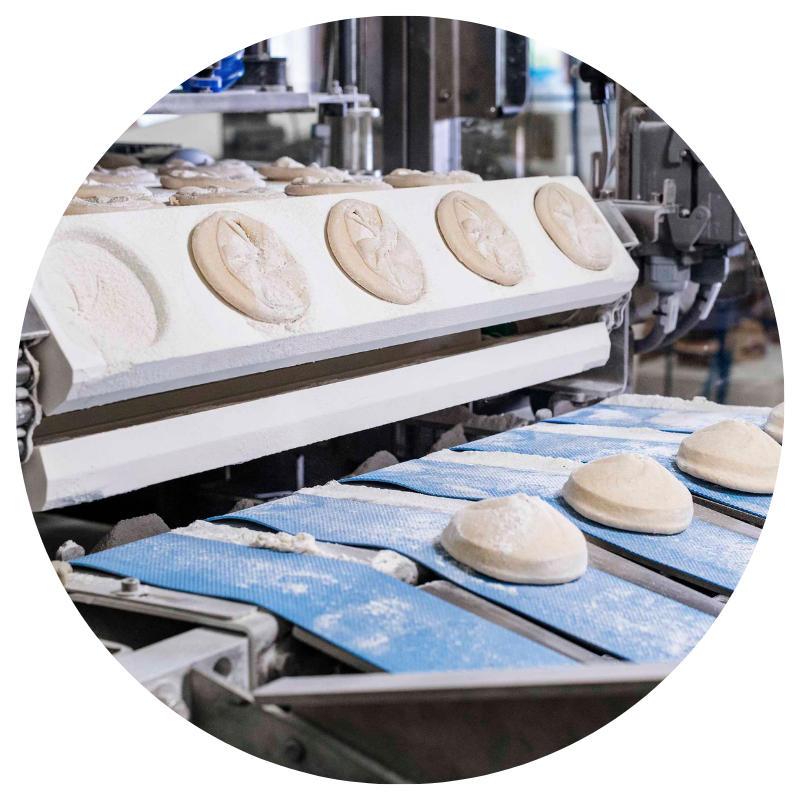
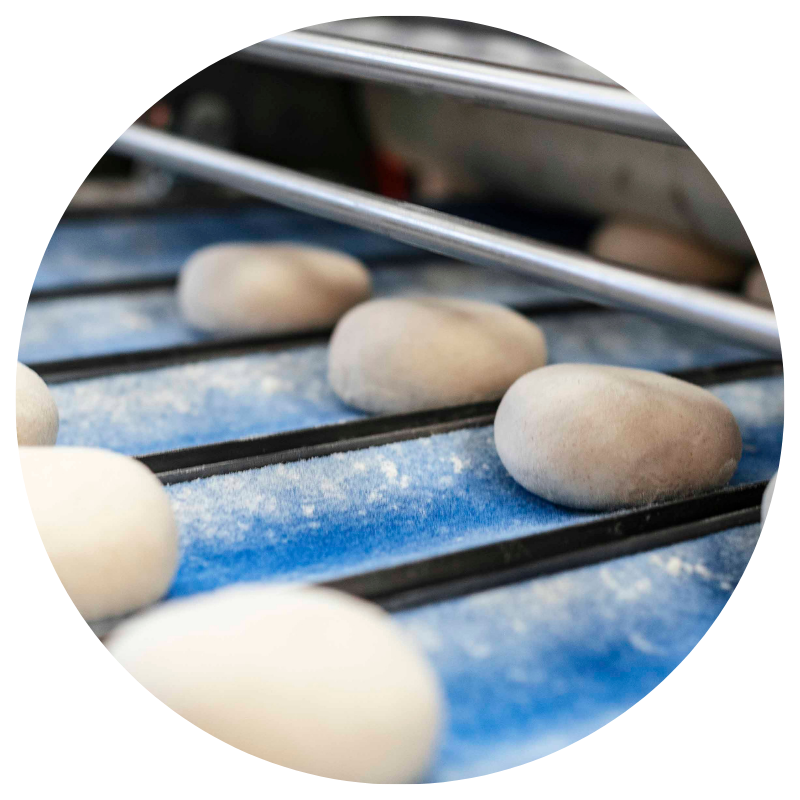
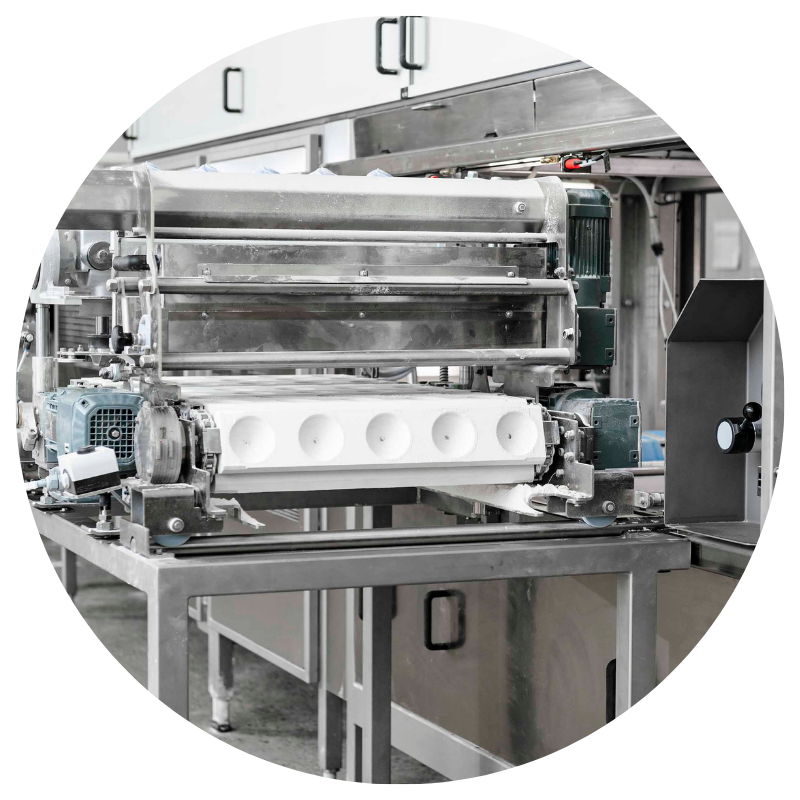
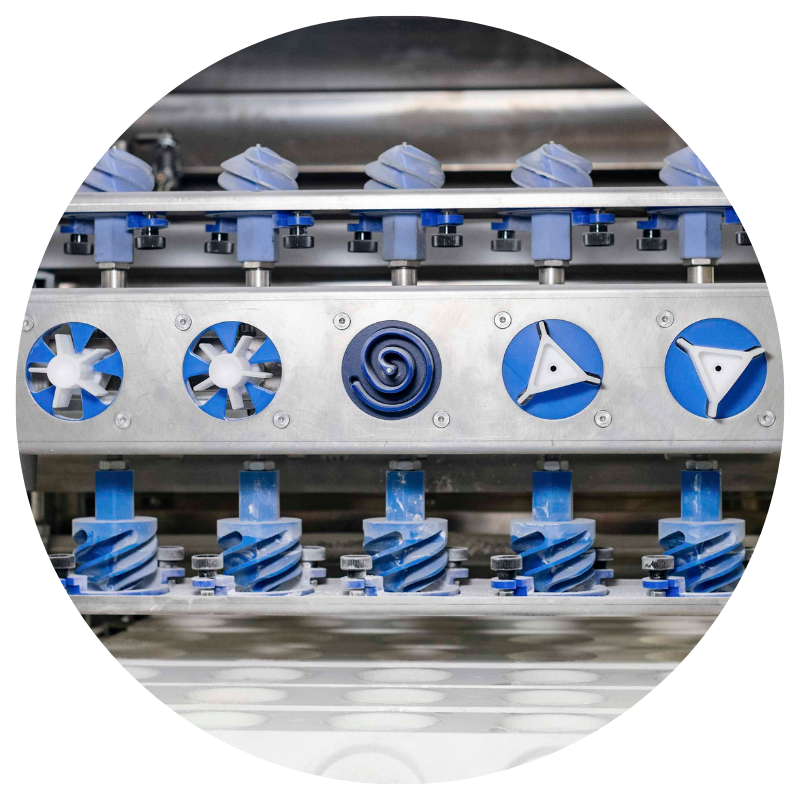
Divide the dough into small equal portions (based on desired weight). Depending on the dough yield, dividing/rounding systems or rolling lines are used for production.

Typical weight ranges:
• Rolls: 30-80 g
• Demi-baguettes: 80-250 g


Fermentation

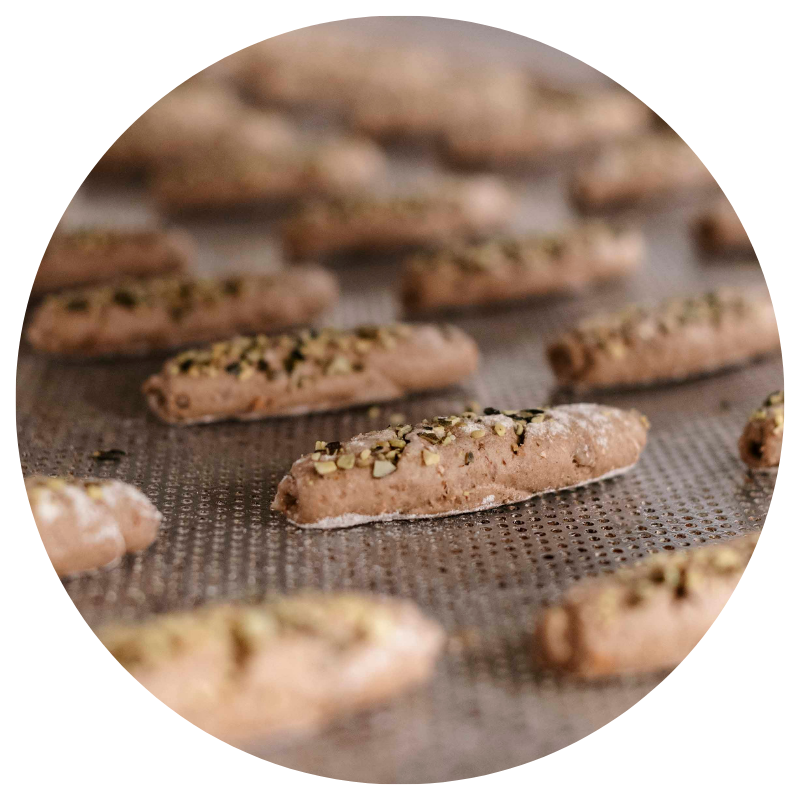
Many rolls are placed on trays after shaping, before fermentation. Rustic rolls are usually fermented on wooden boards or similar.

Standard fermentation time varies between 30 and 90 minutes. The shorter the fermentation time, the higher the temperature and humidity inside the fermentation chamber.
In the final stage of fermentation, products should feel light and show a significant increase in volume.

Cut (for crispy types).

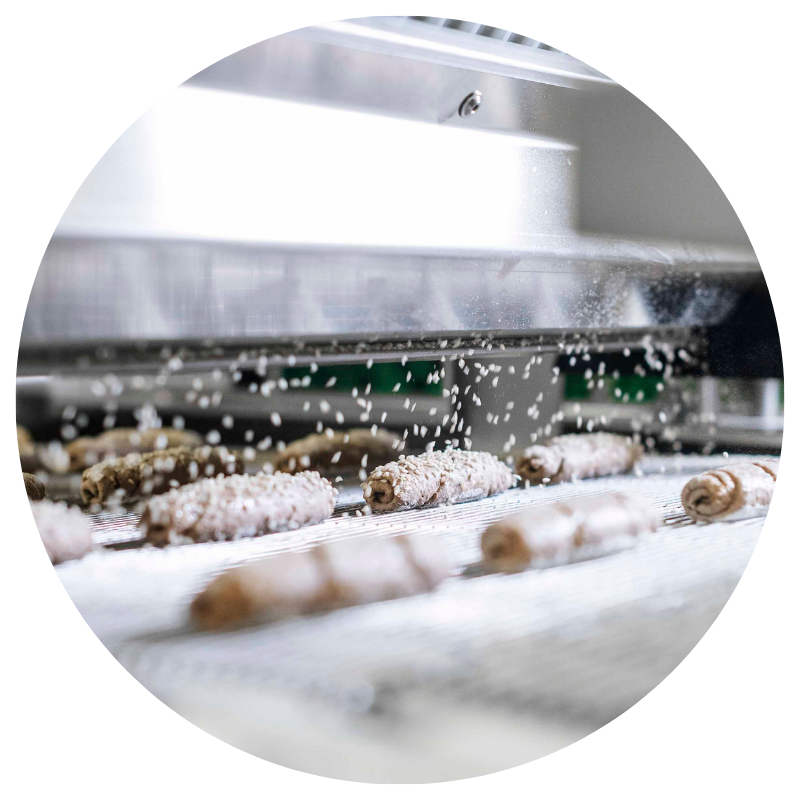
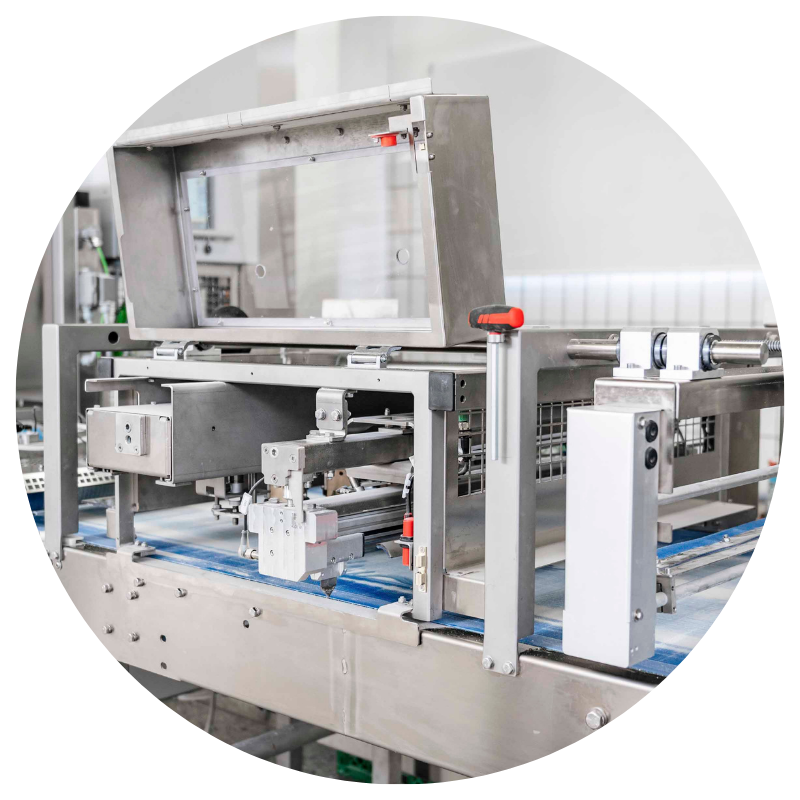
Cut the top with a razor, water jet or ultrasonic blades to control expansion and improve appearance.


Baked

The type of oven and the baking curve depend on the desired quality of the product. Soft rolls are baked in direct and indirect ovens (hybrid ovens with convection and radiation) at a higher temperature and with shorter baking times until the final baking phase.

Rustic rolls are usually baked in stone ovens and are very often supplied as pre-baked products to the final point of sale.


Cooling and packaging

The soft rolls are cooled in spiral towers and are often packaged in plastic bags for shipping.

Pre-baked rustic rolls are refrigerated and packaged in MAP or frozen in bulk packaging.