Soft cookies: rotary, deposited, extrusion and wire cutting

The soft cookie is undoubtedly the most widespread category of cookie, and we range from those that contain modest amounts to high amounts of fats and sugars. Depending on the recipe, we can form it in different ways.

The main ingredient of this family are flour and water along with a small amount of sugar and fat.

Manufacturing process

Rotating Cookie

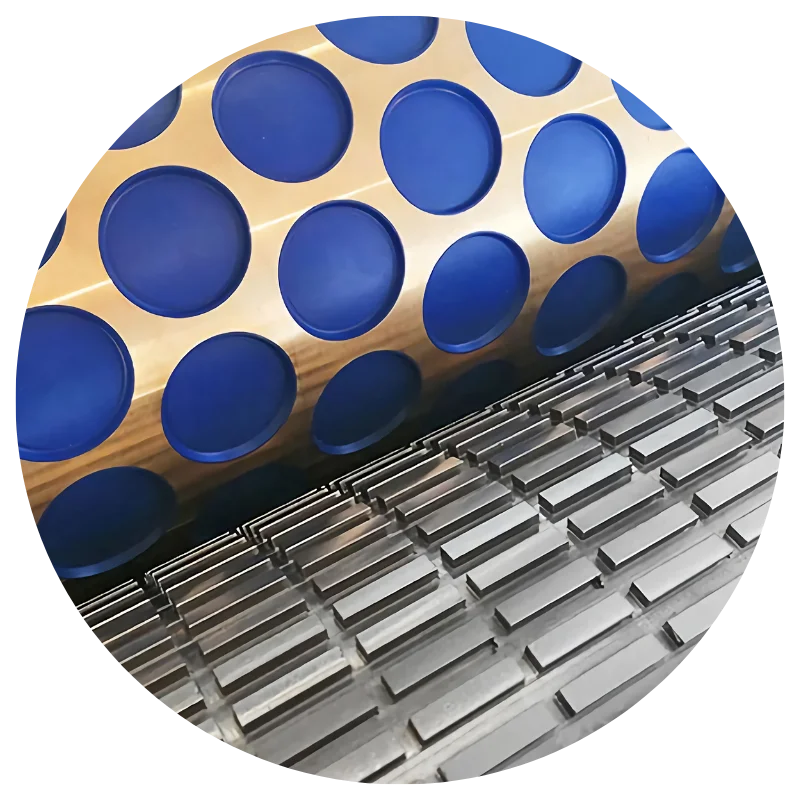
The rotary molding machine is for that type of dough composed of a low amount of fat, and which is compressed and processed by the forming machine, thanks to a motorized slotted roller conveniently designed inside the rotating mold to fill the alveoli with the shape of the finished product. The excess dough is scraped off with the knife and then the pressure roller pushes the cotton tape into the mold allowing the formed dough pieces to adhere to the canvas and be removed from the mold. With this machine a wide range of products is created and even a wider range of customizations can be made to adapt to the needs and available spaces. The rotary machine is today the most flexible machine for cookie production spaces since it is simple, with the possibility of changing the type of production very quickly.

Extruded cookie

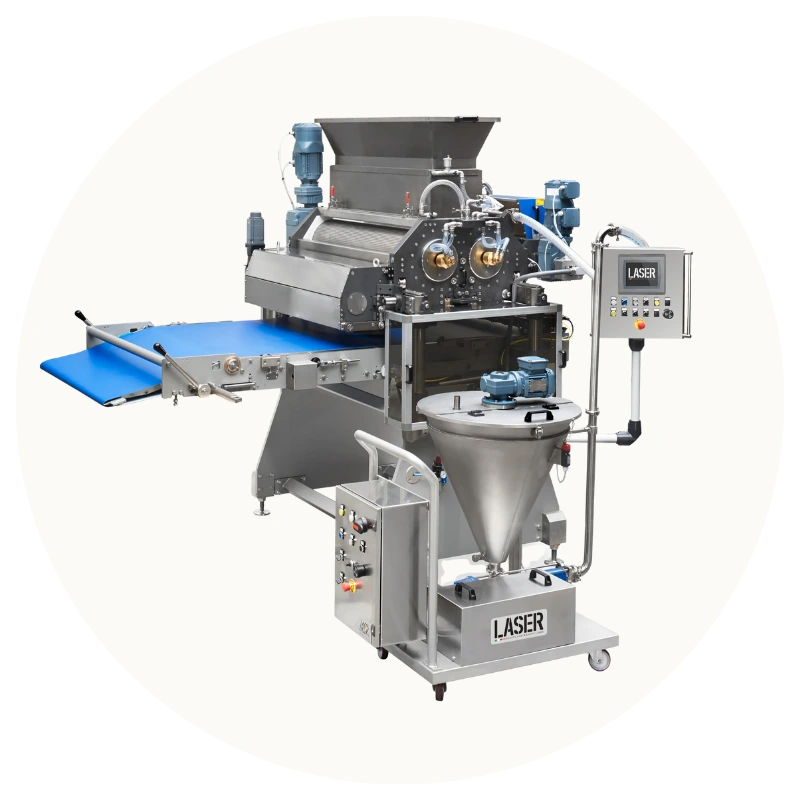
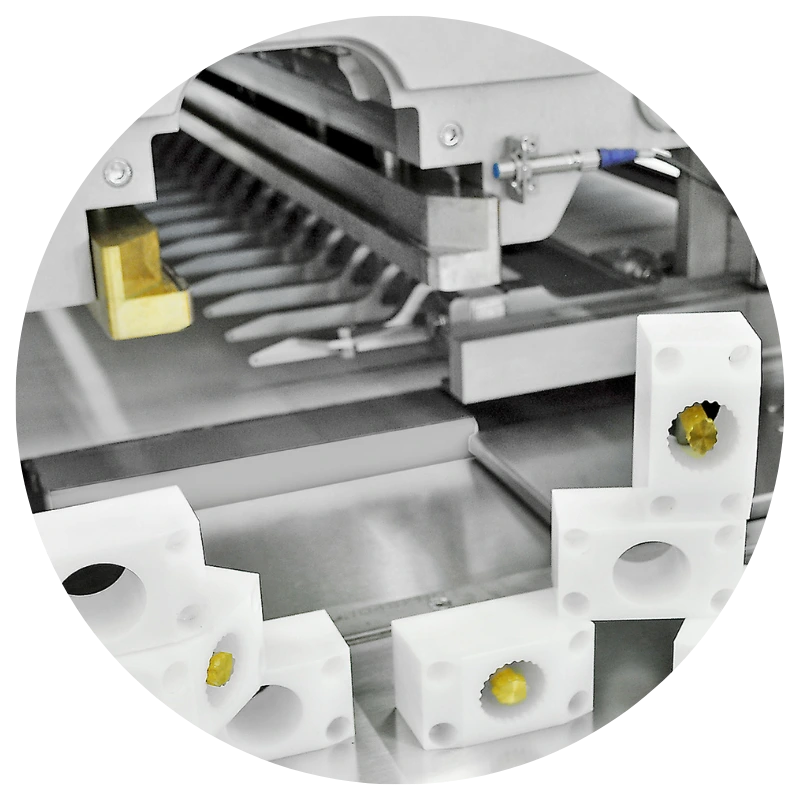
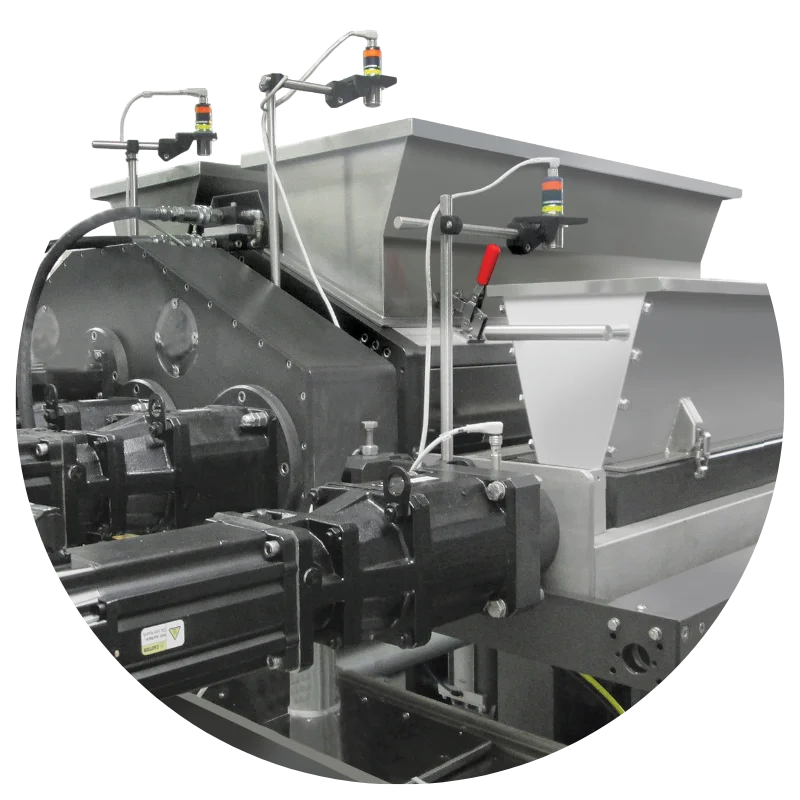
The cookie extruder compresses the extruded dough through two large motorized slotted rollers, to be transported to a dosing system, which can be through a filling block or motorized lobe pumps. Doughs generally contain moderate amounts of fat and sugar. Extruded products are extremely popular in America, products such as Chocolate Chipsy are a reference. In northern European countries, products such as “shortbread” or “butter cookies” appear. The extruder can also be configured with an additional cream hopper to produce filled products such as bars or equipped with wire cutting systems, knife, diaphragm, guillotine and other accessories.
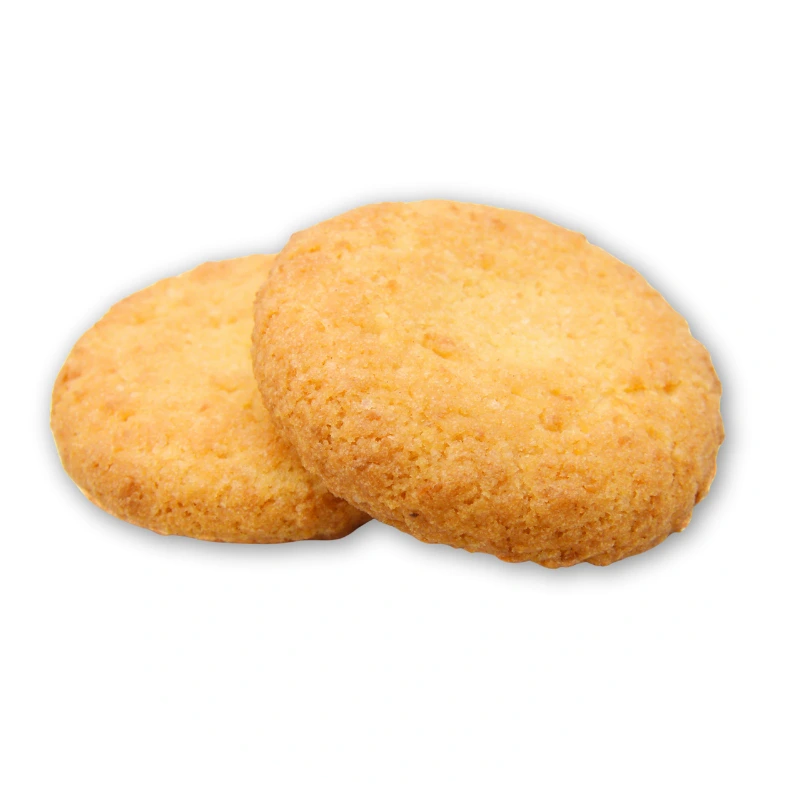
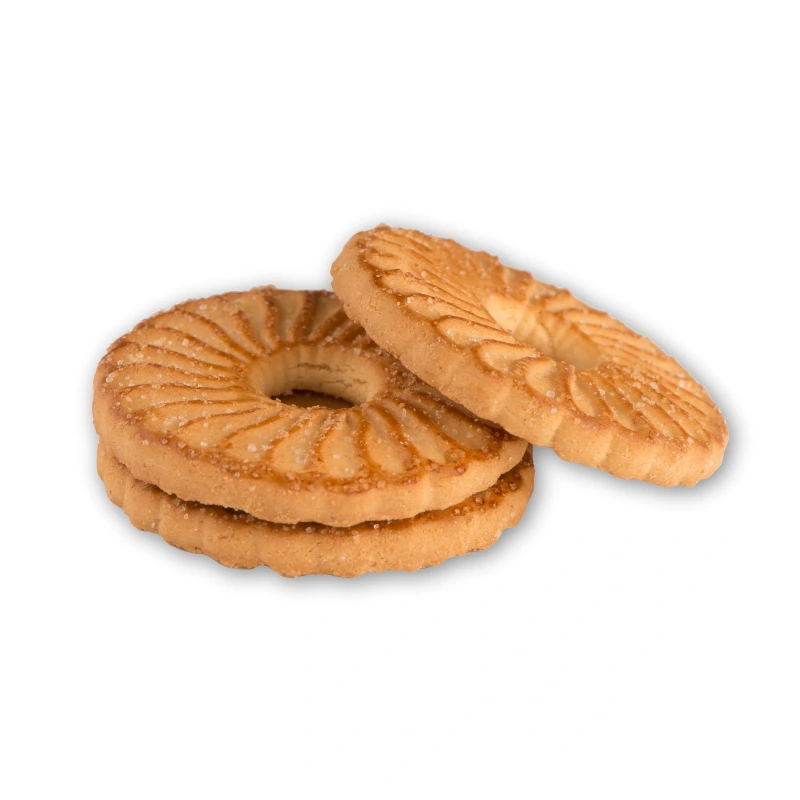
Cookie deposited

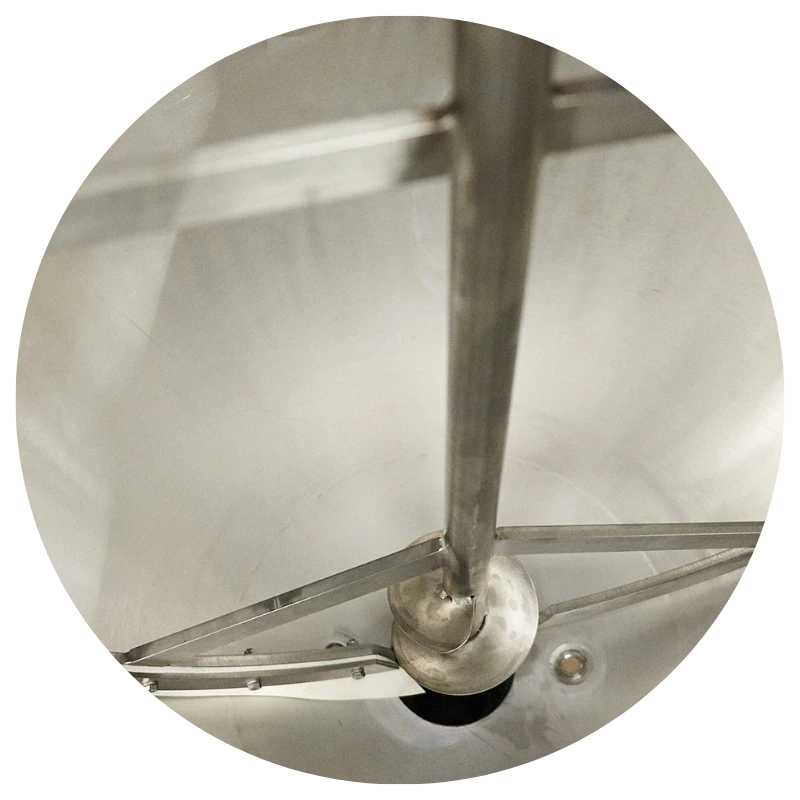
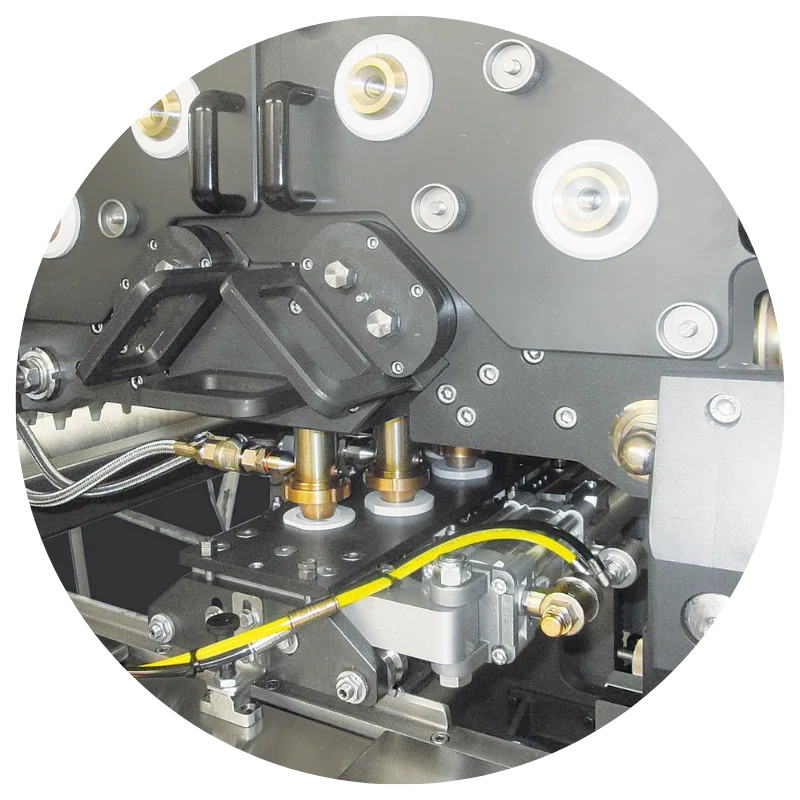
The roller depositer is supplied in both single-color and two-color versions and allows for dosing liquid or semi-liquid products. Mounted on a motorized base with rails, it can follow the trajectory or movement of the underlying conveyor and thus create different product shapes according to the profiles and movements of the nozzle. The masses can be rich in fats and sugars, for the production of industrial pastry products. The depositor can be customized with an additional hopper to produce filled products and can also be equipped with product portioning systems such as wire cutting, knife, diaphragm, guillotine and other accessories.
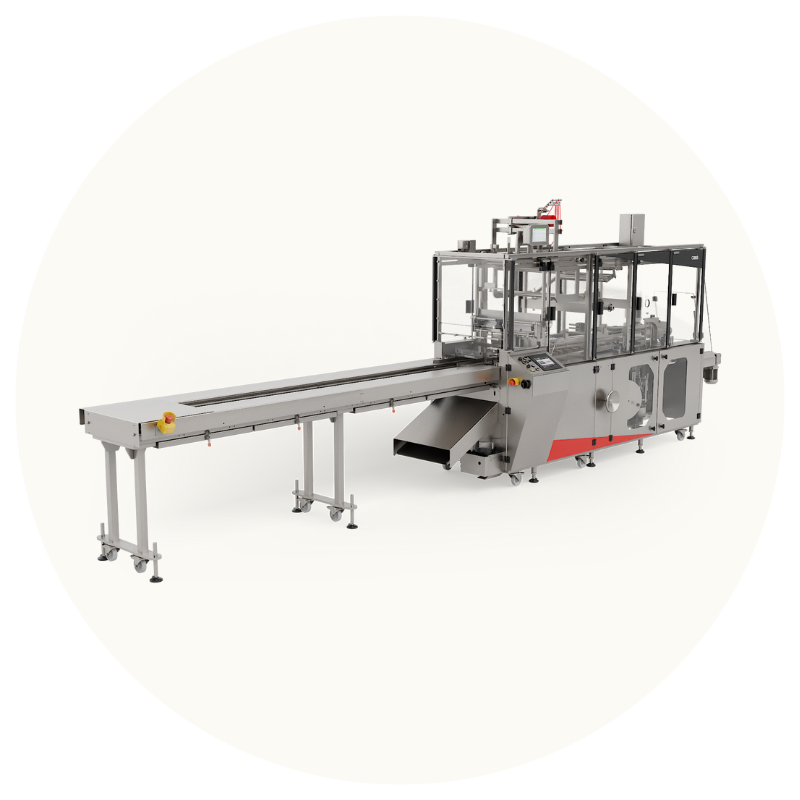
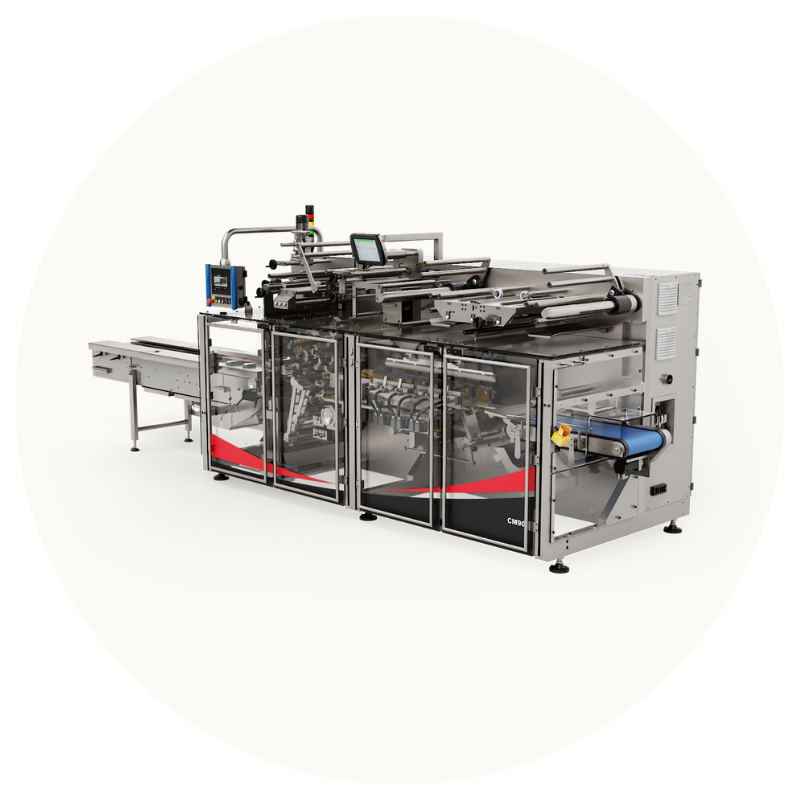
Packaging Solutions

Whether presented in an

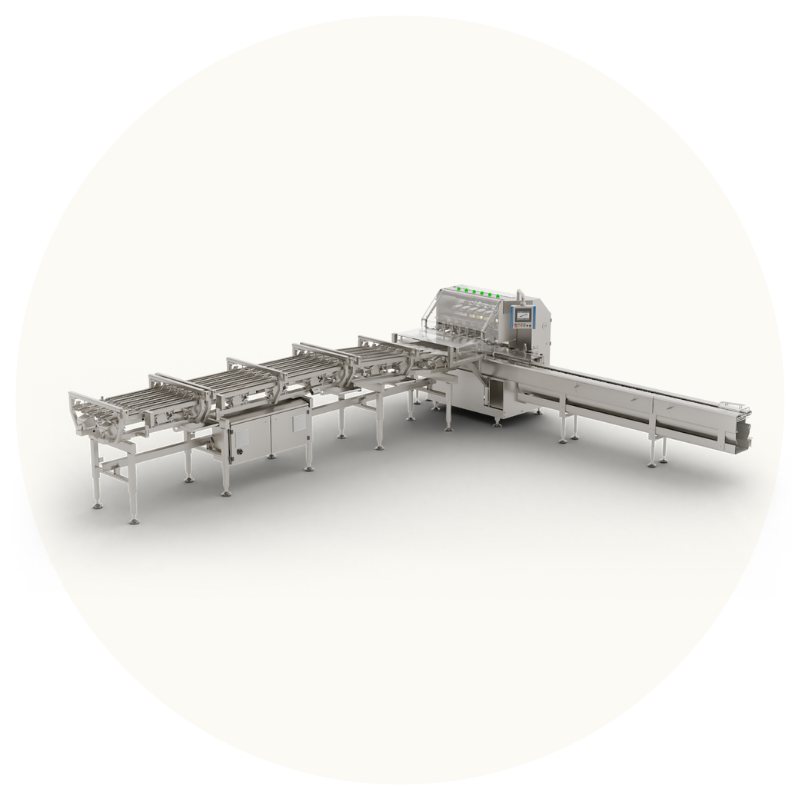
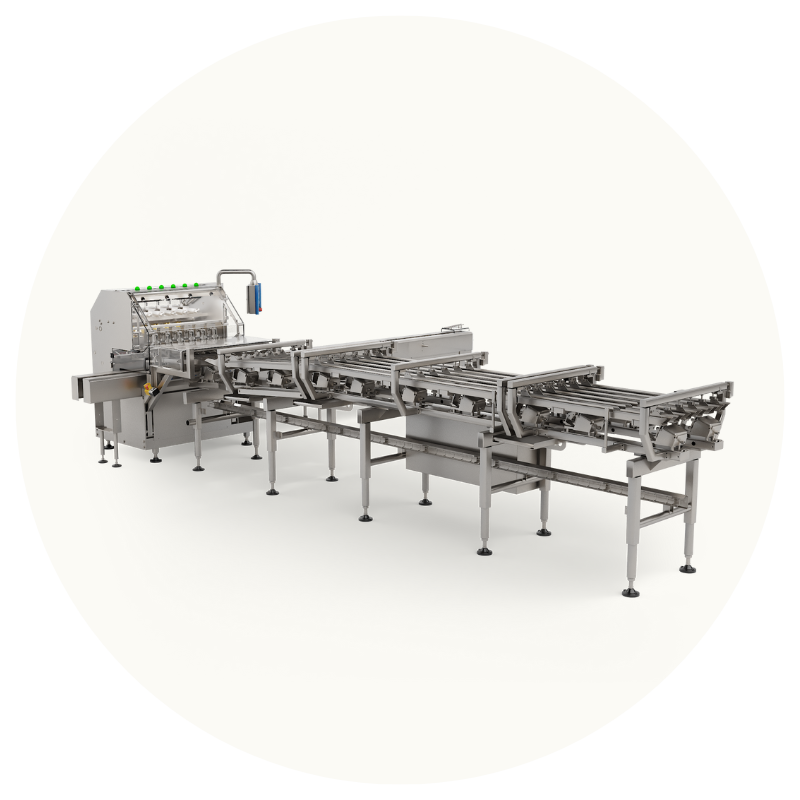
We also have the most efficient robotic systems on the market, and we follow the most current packaging trends, where automatic tray-denester, whether in stack or edge format, is required. We also offer solutions for bagging and feeding with the appropriate multiscale.