Pan de Molde

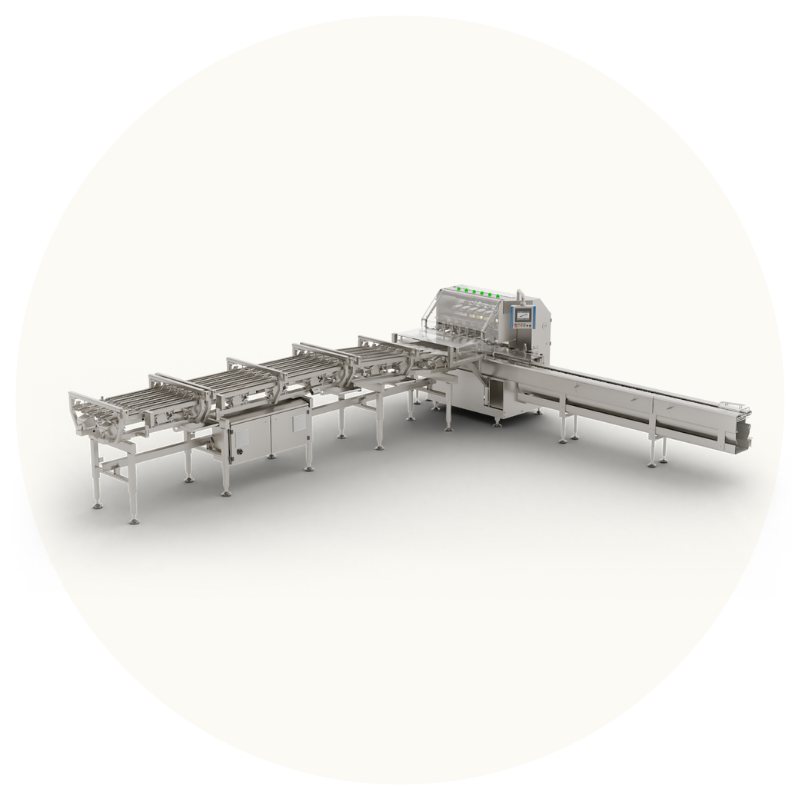
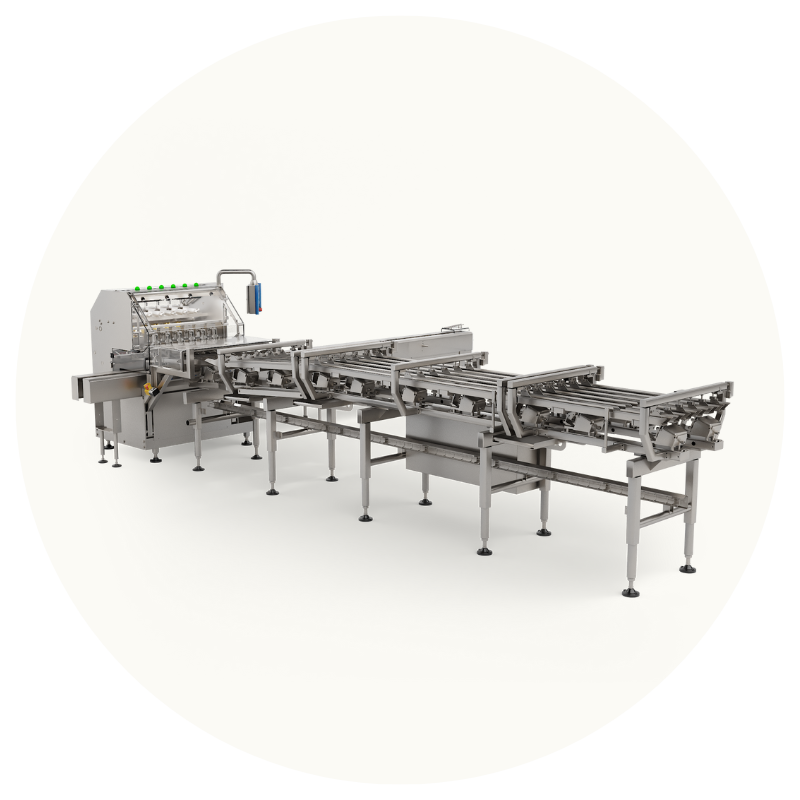
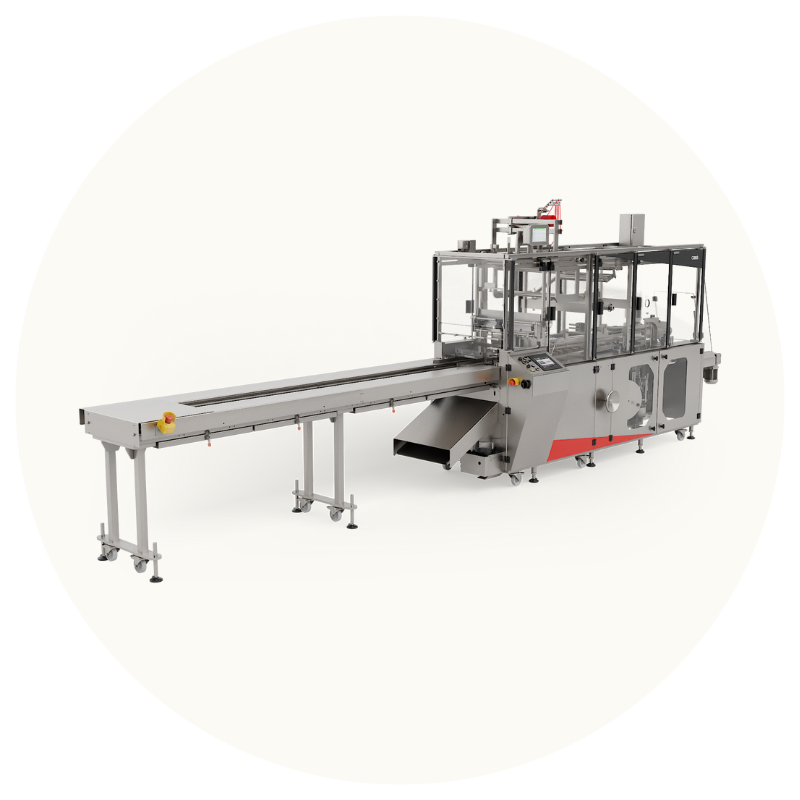
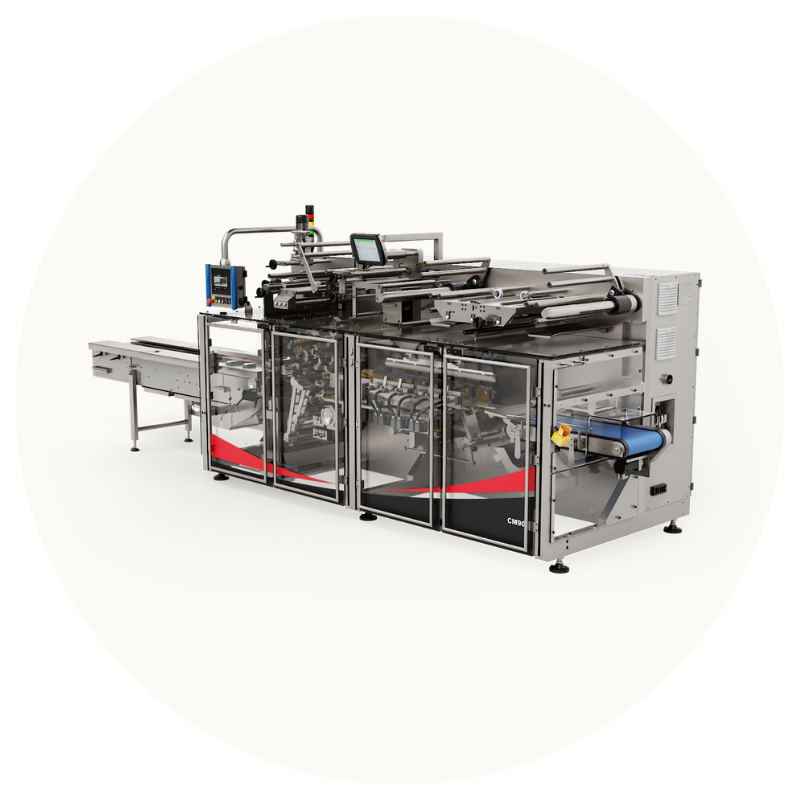
Appropriate process parameters and a high level of automation (smart logistics approach) are essential to achieve reliable, high-performance production lines with guaranteed good quality. Even if available space is limited, we will find a suitable design or solution for you.

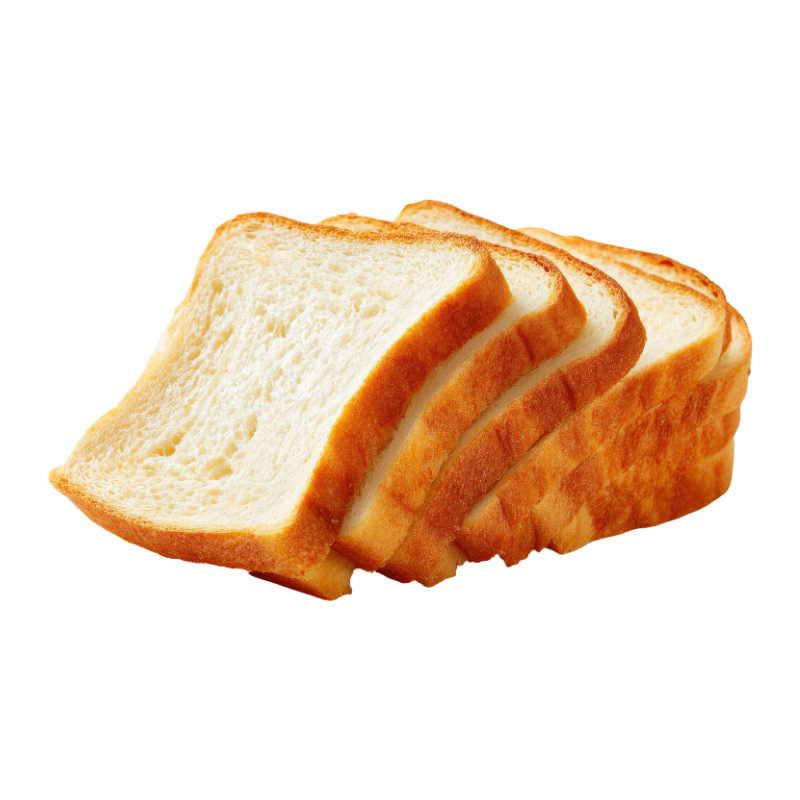
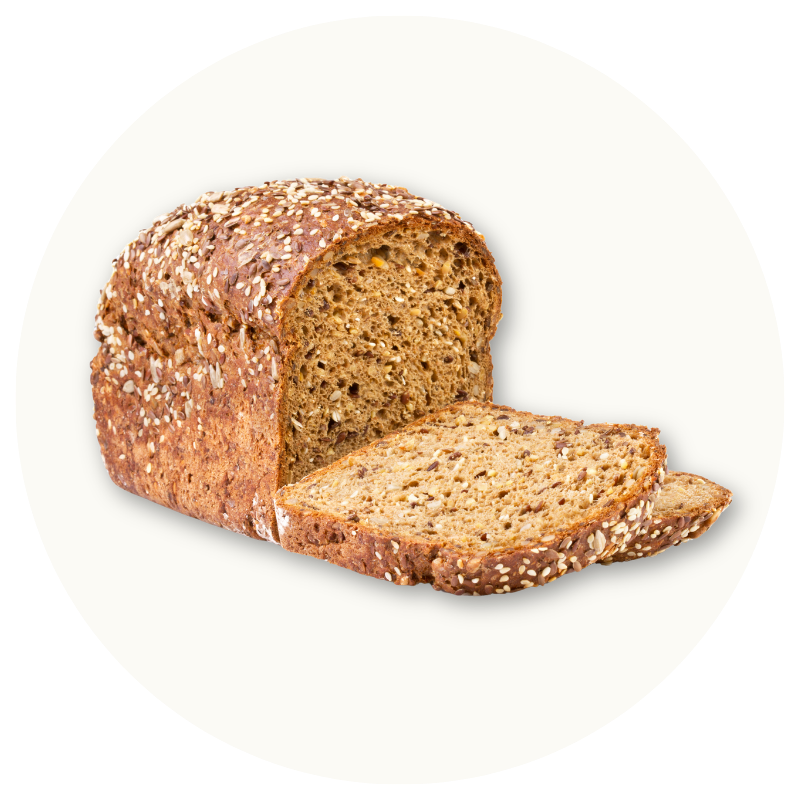
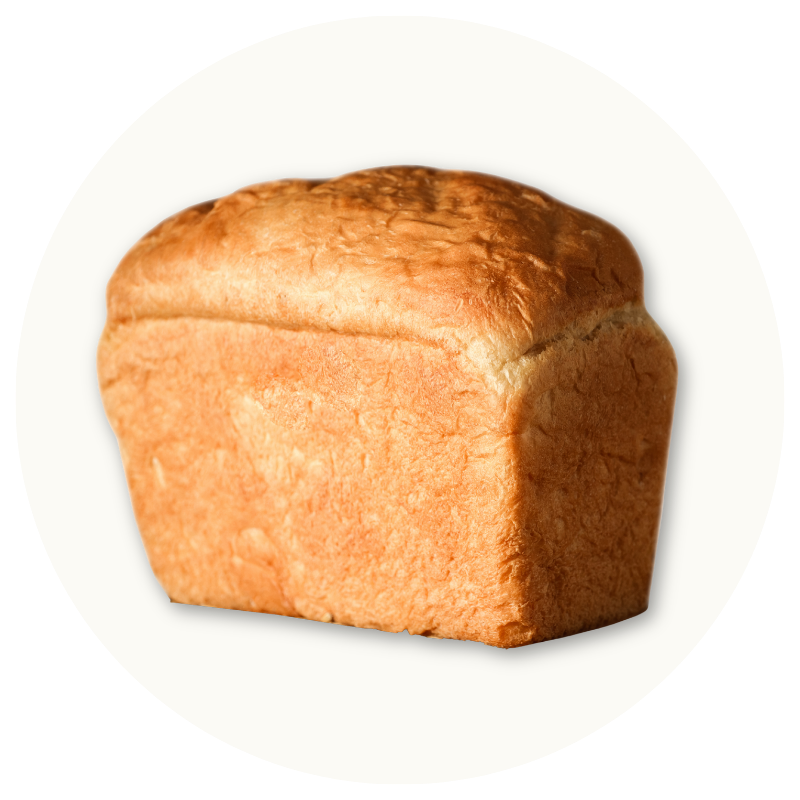
The special thing about Molded Bread/Boxed Bread

Sliced ​​bread is the base of a wide variety of products, such as cakes, sandwiches, school lunches and bread snacks.

What's so special about sliced ​​bread?

  1. Crispy on the outside, soft on the inside.
    Sliced ​​bread is formulated so that, when heated, the surface browns evenly while the interior remains light and fluffy.
  2. Balanced moisture content.
    It has the right level of moisture (tender, thin crust with fluffy, moist crumb), so it does not harden even after a long period of storage.
  3. Uniform crumb structure.
    Small uniform air bubbles with good elasticity. Different flavors of bread with a soft mouthfeel are key criteria for good quality bread. No weak spots or moisture.
  4. Slightly firmer texture.
    The toasted bread keeps its shape and does not crumble.
  5. Good browning and flavor.
    Toasted bread contains enough natural sugars and proteins to promote a golden color and a slightly crispy crust with an intense aroma.
  6. It supports the ingredients well.
    It can handle butter, jam, eggs, avocado or spreads without getting soggy quickly.
  7. Clean and uniform slices.
    Evenly cut and square shaped making it ideal for toasters and consistent results.

Manufacturing process

We are familiar with all common processes, whether CBP, sponge and dough or timeless dough application.

1. Main ingredients:

  • Wheat or whole wheat flour.
  • Water
  • Yeast: mainly fresh or liquid yeast.
  • Sugar: granulated and liquid sugars such as glucose syrup.
  • Sal.
  • Fat/oil or lard.
  • Improvers/enzymes.

2. Mixture:

  • The ingredients are mixed to develop a very well developed gluten matrix.
  • The dough becomes soft and elastic.
  • Pressure/vacuum mixing is a very common method.

3. Division

  • Immediately after mixing.
  • High precision in weight, only a minimum of dividing oil.

4. Intermediate fermentation (Relaxation)

  • The dough pieces rest for a short period of time.
  • Molding improvement.

5. Molded/formed

  • Soft molding to obtain a cylindrical shape.
  • 4 or 6 piece method before placing on tray.

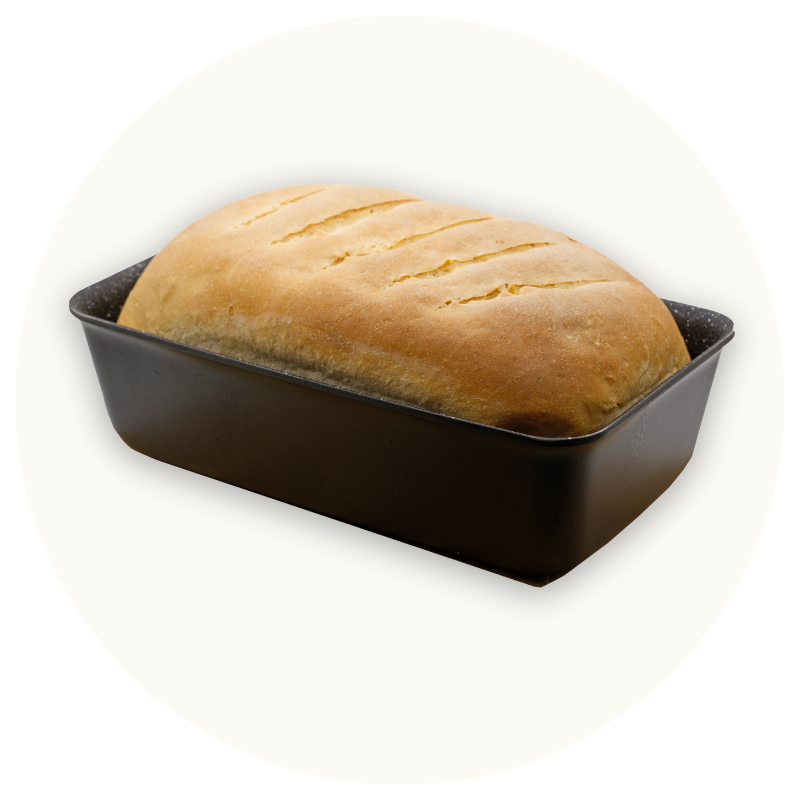
6. Final fermentation

  • The dough rises in the mold.
  • Balanced fermentation conditions for uniform dough development.

7. Baking

  • Uniform square shape.
  • Thin and stable crust.
  • Uniform color across the entire surface.

8. Demoulding and cooling

  • The bread is removed from the molds.
  • It cools to room temperature.
  • It is imperative that cooling conditions are balanced and uniform to avoid condensation, collapse or mold growth.

9. Cutting and packaging

  • The bread is cut evenly. In some areas, the side slices are removed and returned to the mixer in paste form.
  • It is packaged in moisture-proof bags.
  • Shelf life should be at least two weeks.